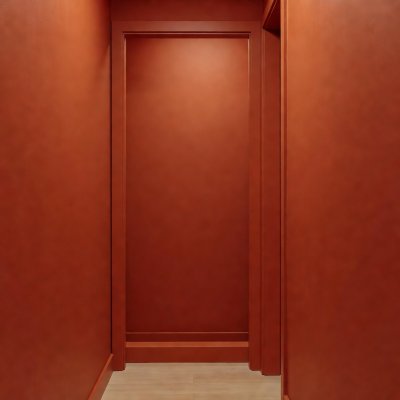
Colour drenching
One colour, every surface
Walls, trim and ceiling in one shade makes small spaces feel deliberate. Try it first in a downstairs loo or with a single painted cabinet.
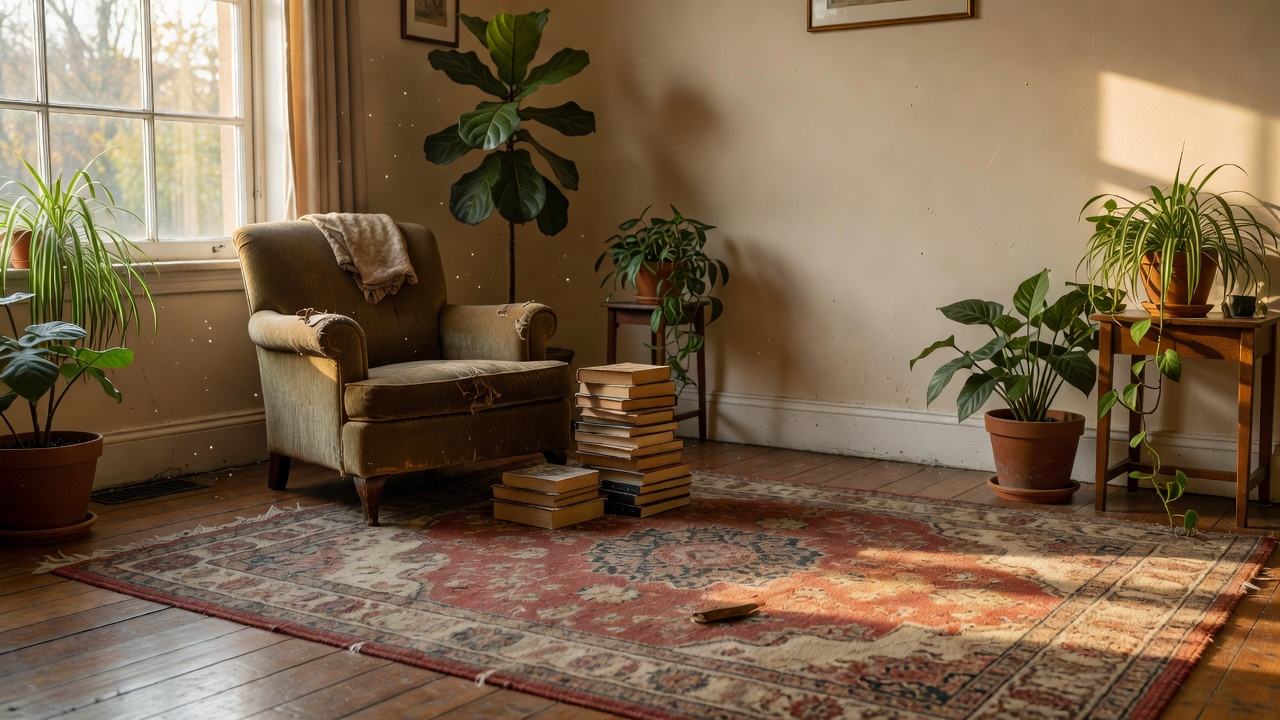
Every interior trend is an argument about how to live. Learn the argument, then decide which part of it belongs in your home.
Interior design has swung between restraint and abundance for more than a century. In 1880, William Morris told an audience to "have nothing in your houses that you do not know to be useful, or believe to be beautiful" — a line that still appears on decluttering blogs. The Bauhaus, founded in Weimar in 1919, pushed further toward clarity: tubular steel, clean planes, objects designed for mass production.
Then the pendulum swung. In 1981, Ettore Sottsass and a group of designers in Milan launched the Memphis Group, with laminate patterns, clashing colours and furniture that looked like toys. It was loud on purpose — a reply to decades of good taste. Echoes of Memphis now show up in squiggle mirrors, wavy candles and pastel-and-primary colour schemes.
Today we live with both moods at once. "Japandi" blends Japanese wabi-sabi — the appreciation of imperfection and age — with Scandinavian comfort, the cosiness Danes call hygge. Meanwhile, "cluttercore" and the "collected" look celebrate full shelves, gallery walls and vintage finds. Neither is right. Each is a way of answering the question: what should a home feel like?
Walls, trim and ceiling in one shade makes small spaces feel deliberate. Try it first in a downstairs loo or with a single painted cabinet.
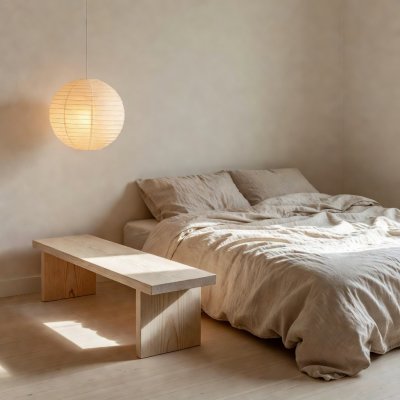
Instead of white emptiness, think linen, wood and paper. Remove three objects from one surface and add one natural material.
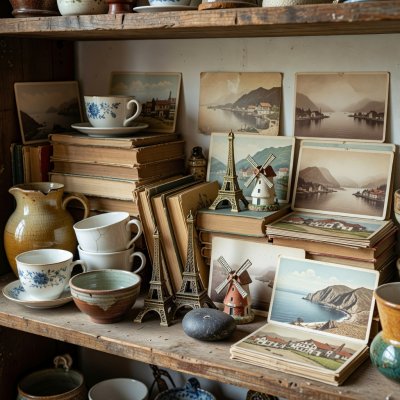
Group objects by colour or by trip. Leave a little breathing space so each piece can still be seen.
Most rooms are lit by a single ceiling bulb, which flattens everything. Designers talk about "layering": a ceiling light for tasks, a lamp at seat height for evenings, and a small accent light — on a shelf, behind a plant — for mood. Three warm lamps placed at different heights will change a room more than a new sofa.
Daylight works the same way. Moving a mirror opposite a window, or pulling a desk a metre closer to the glass, can reshape how you use a space.
Turn off the ceiling light tonight and live with lamps only. Which corner did you end up sitting in?
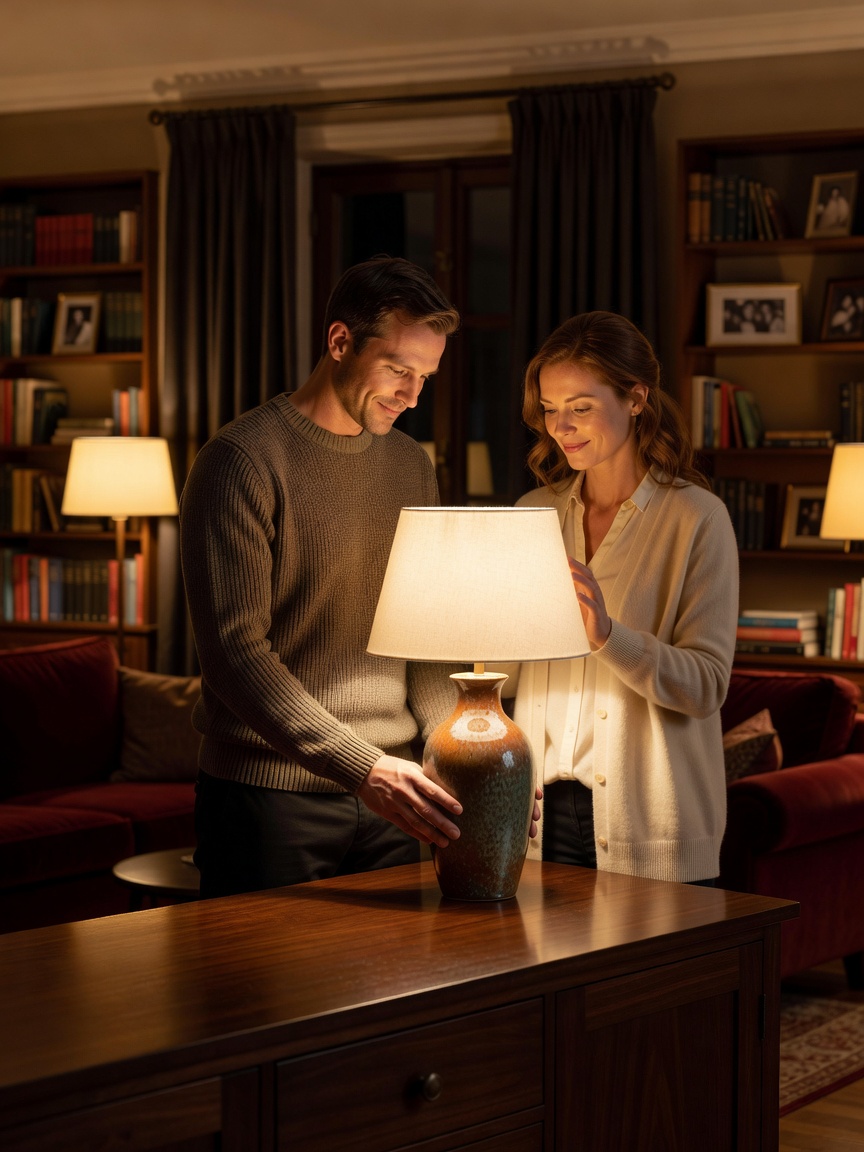
Pick one surface — a shelf, a windowsill, the top of a chest of drawers. On Saturday morning, clear it completely and photograph it empty. Then put back only the objects you'd miss. Add one thing from elsewhere in the house that has a story: a stone from a beach, a postcard, a jug from a relative.
On Sunday, look again. Swap one object. Turn another to face a different direction. This is how stylists work on photo shoots — tiny moves, checked through a camera. Your phone's screen is a useful second eye, because it flattens the scene into a picture and makes clutter obvious.
Choose one colour from a favourite object and repeat it twice more in the same room — a cushion, a book spine, a cup. Three repeats make a scheme.
None of this requires following a trend. It's about making the room look like it belongs to you. For the hands-on side, see our pinch-pot fieldnote — a handmade bowl is the easiest object with a story you can make yourself.
About cookies We use necessary cookies to run the site and, with your consent, optional ones to measure visits. You can change this at any time. Cookie policy