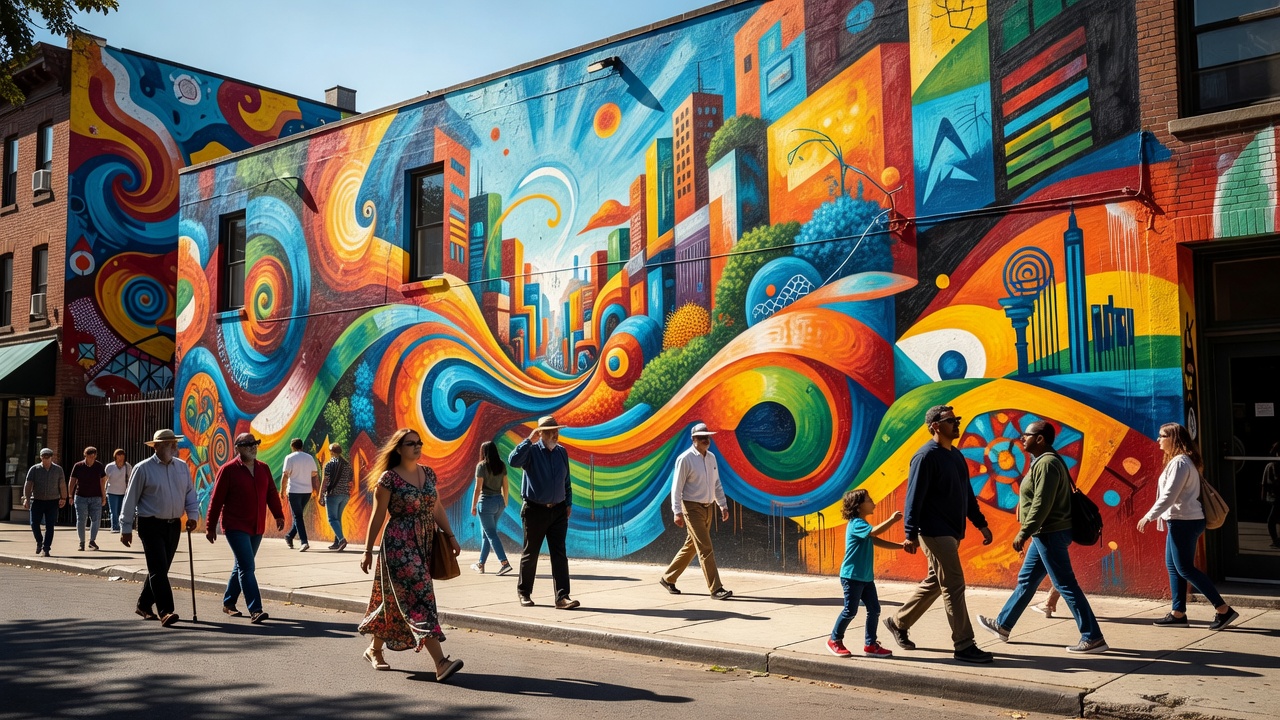
Street: Colour Beyond the Front Door
Walls, markets and the clothes people wear to the shops form the largest free gallery in any town. Here's how to read it — and borrow from it kindly.
01 /How walls became galleries
In the early 1980s, Keith Haring drew chalk figures on the black paper covering unused advertising panels in the New York subway. Commuters watched them appear, and a private art practice became a public one. Around the same time, graffiti writers were turning train cars into moving canvases, a culture documented in books like Subway Art (1984) by Martha Cooper and Henry Chalfant.
Street art grew into something cities now actively invite. After the Berlin Wall fell, artists from around the world painted a long remaining stretch in 1990; it became the East Side Gallery, still one of the city's most visited sites. In 2009 the developer Tony Goldman launched the Wynwood Walls in Miami, turning warehouse façades into a curated outdoor museum. London's Brick Lane and Shoreditch, Brooklyn's Bushwick Collective and Lisbon's festival-commissioned façades all followed their own paths.
Banksy's stencils made street art famous far beyond its scene, but the most interesting work is often local: a sign painter's lettering on a café, a community mural about a neighbourhood's history, a tiny tile mosaic on a bollard.
02 /Street style, from pavement to everywhere
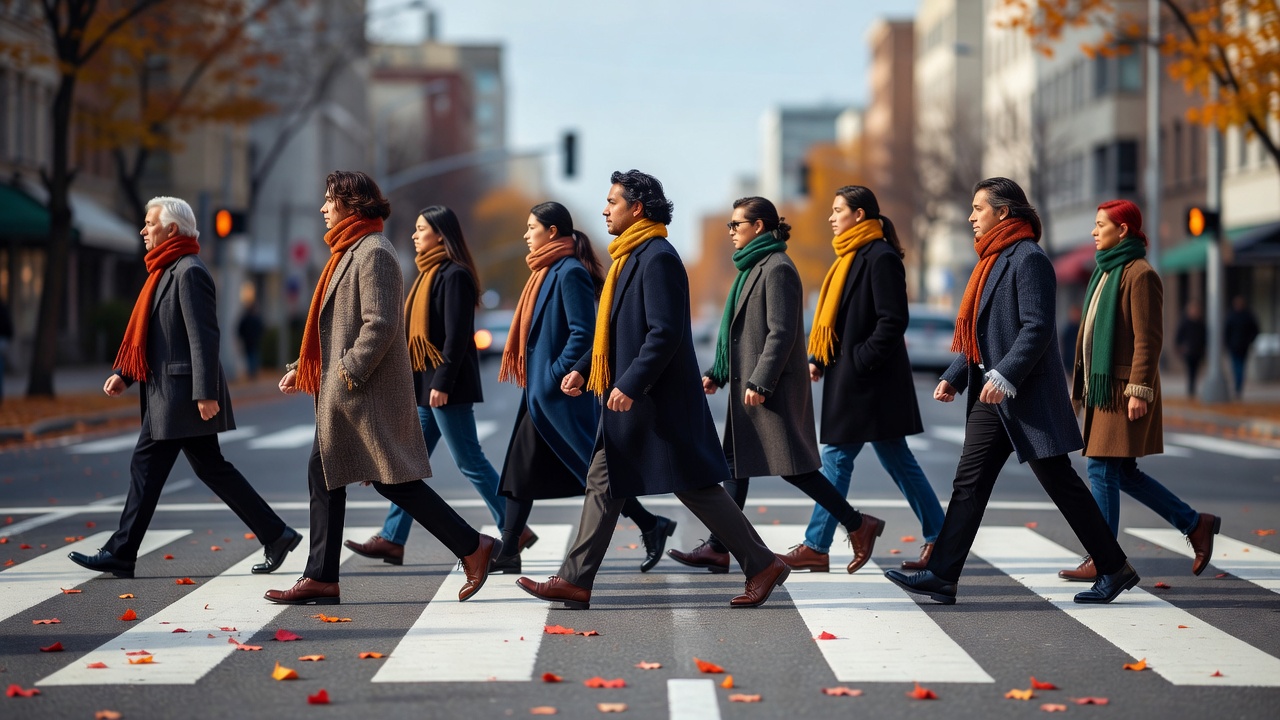
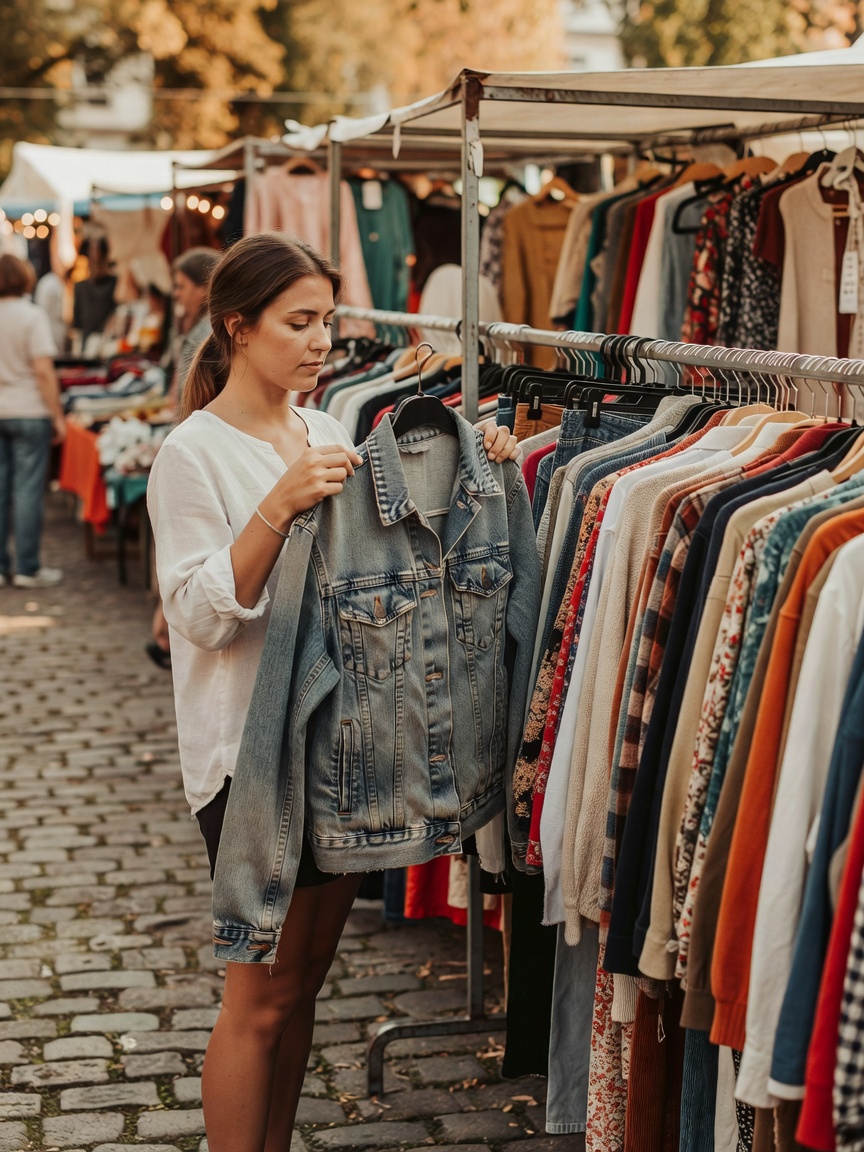
For nearly four decades, Bill Cunningham cycled around Manhattan photographing what people actually wore for The New York Times. He believed the best fashion show was on the street. In Tokyo, Shoichi Aoki's FRUiTS magazine (1997–2017) recorded the inventive layering of young people in Harajuku, influencing designers worldwide.
Today, the second-hand market plays a similar role. Places like London's Portobello Road or a local car-boot sale hold decades of silhouettes in one afternoon. Many current "trends" — wide trousers, barn jackets, loafers with white socks — are simply rediscovered rails.
Stand at a busy corner for ten minutes. Note the three most common colours people are wearing. Now note one person who broke the pattern — what did they do?
03 /Walking a mural loop, respectfully
You don't need a famous district. Search your local council or arts organisation for commissioned murals, or simply walk a thirty-minute loop and note every painted surface. Photograph each, including any signature or tag, and look up the artist afterwards. Many have online portfolios and sell prints — a far better souvenir than a copied image.
Respect the context: murals are often on homes and businesses. Don't block doorways, step into roads or photograph residents without asking.
04 /Borrow a palette from a wall
Here's a gentle way to connect street art and your own style. Photograph a mural you like and pick out its three main colours. Then look in your wardrobe for the closest match to each. Wear one as the main colour, one as a smaller piece, and one as a tiny accent — socks, a scarf, a bag.
Fashion stylists call this a colour story. It's how many street-style photos feel so coherent even when the clothes are thrifted and mismatched. The point isn't to dress like a wall; it's to train your eye to see combinations you wouldn't have chosen.
Make a three-square colour swatch from a mural photo using any notes app. Keep it on your phone for the next market visit.
Pair this walk with the light exercises in our photography fieldnotes, or turn your mural photographs into a folded booklet with the zine guide.