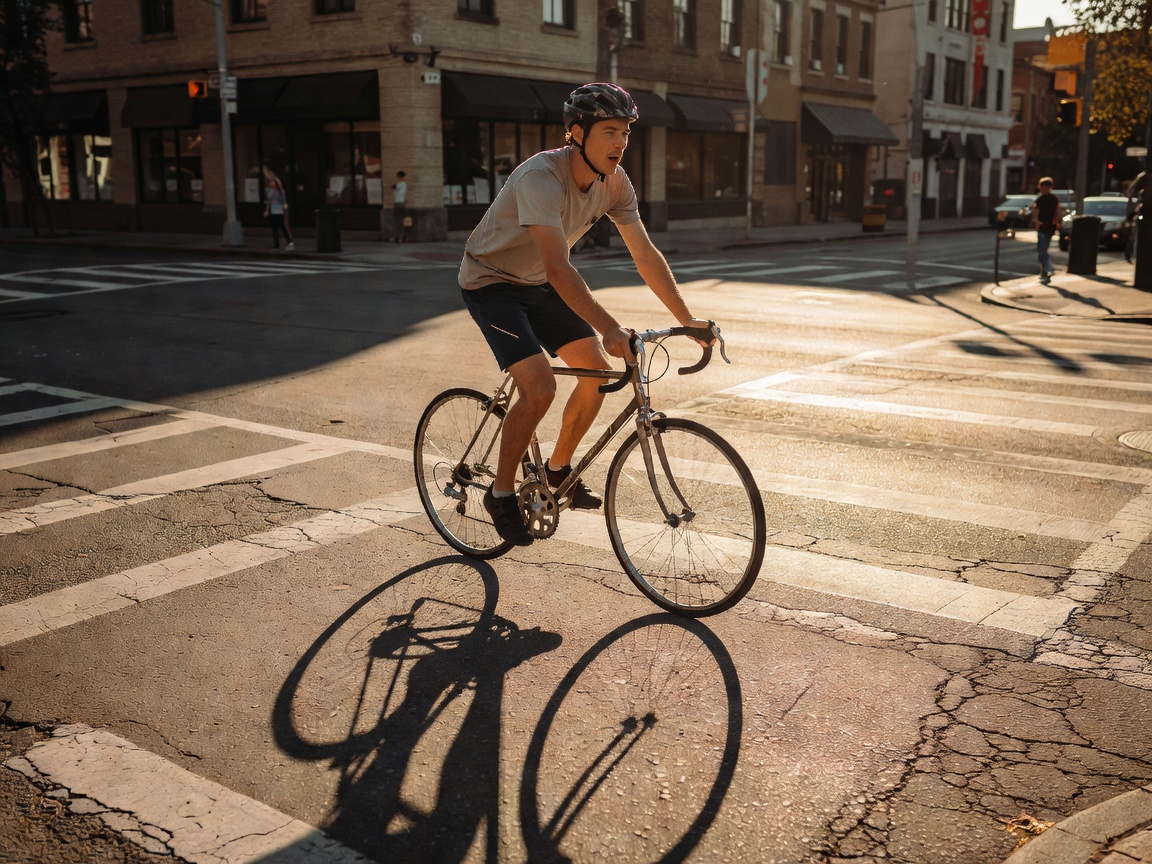
Candid street
Wait, don't chase
Choose a backdrop with good light, then let people walk into it. Cartier-Bresson often did exactly this. Stay put for fifteen minutes and you'll see patterns repeat.
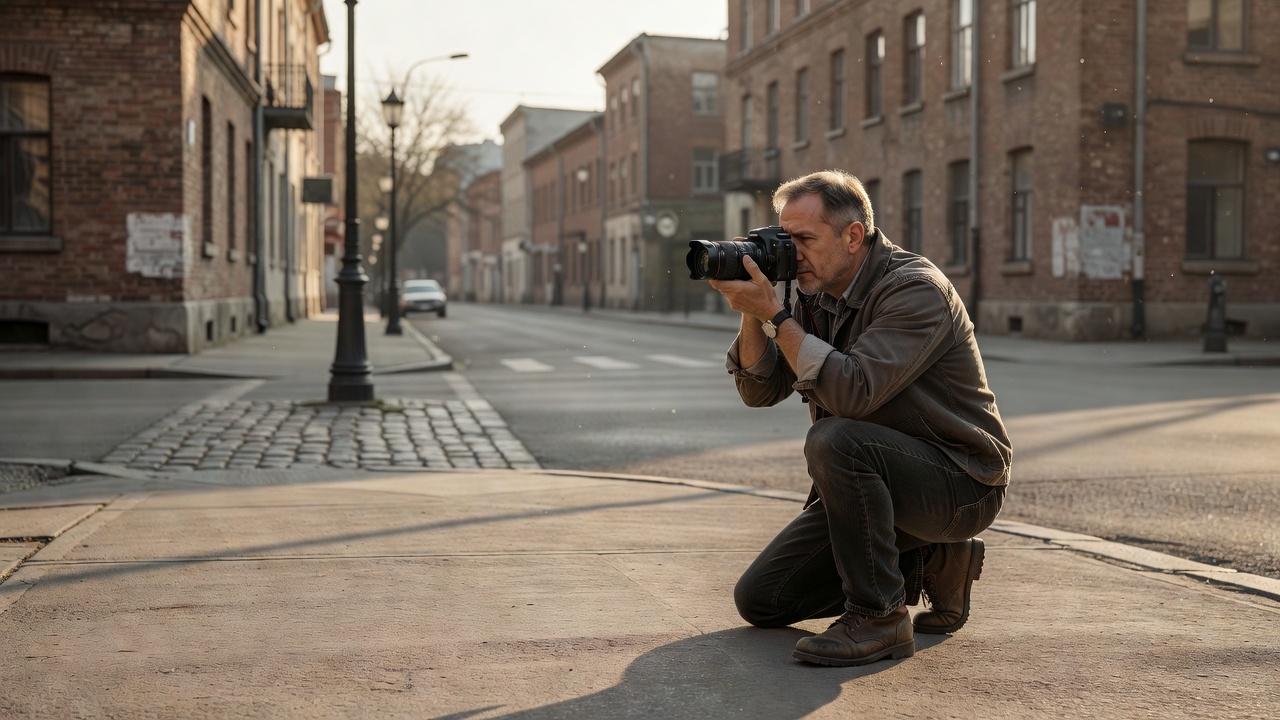
The styles everyone is sharing are built on patience and available light. Here's where they come from — and how to try them on your own street.
Scroll through any photo-sharing app and you'll see the same handful of moods: grainy, warm street scenes; soft still lifes on kitchen counters; portraits lit by a harsh on-camera flash at dusk. They feel fresh, but each has deep roots.
The candid street frame owes a great deal to Henri Cartier-Bresson, whose 1952 book Images à la Sauvette was published in English as The Decisive Moment. His idea — that a photograph should catch the instant when shapes and gestures briefly align — still drives street photographers today. Vivian Maier, a Chicago nanny whose huge archive of negatives was only discovered in 2007, showed that this way of seeing belonged to anyone patient enough to walk and look.
The warm, painterly colour so many people chase came later. Saul Leiter photographed New York through fogged windows and umbrellas from the late 1940s onward, though his colour work only reached a wide audience with the book Early Color in 2006. William Eggleston's 1976 exhibition at the Museum of Modern Art helped convince the art world that colour photographs of ordinary places — a ceiling, a tricycle, a diner — could be serious art. In Hong Kong, Fan Ho turned shafts of light and smoke in the 1950s and 60s into compositions that still circulate widely online.
The film revival adds one more layer. Emulsions like Kodak Portra became shorthand for soft skin tones and gentle highlights, and phone filters now imitate them. Understanding that lineage changes how you use a filter: you begin to ask what the original photographer was responding to, not just how it looked.
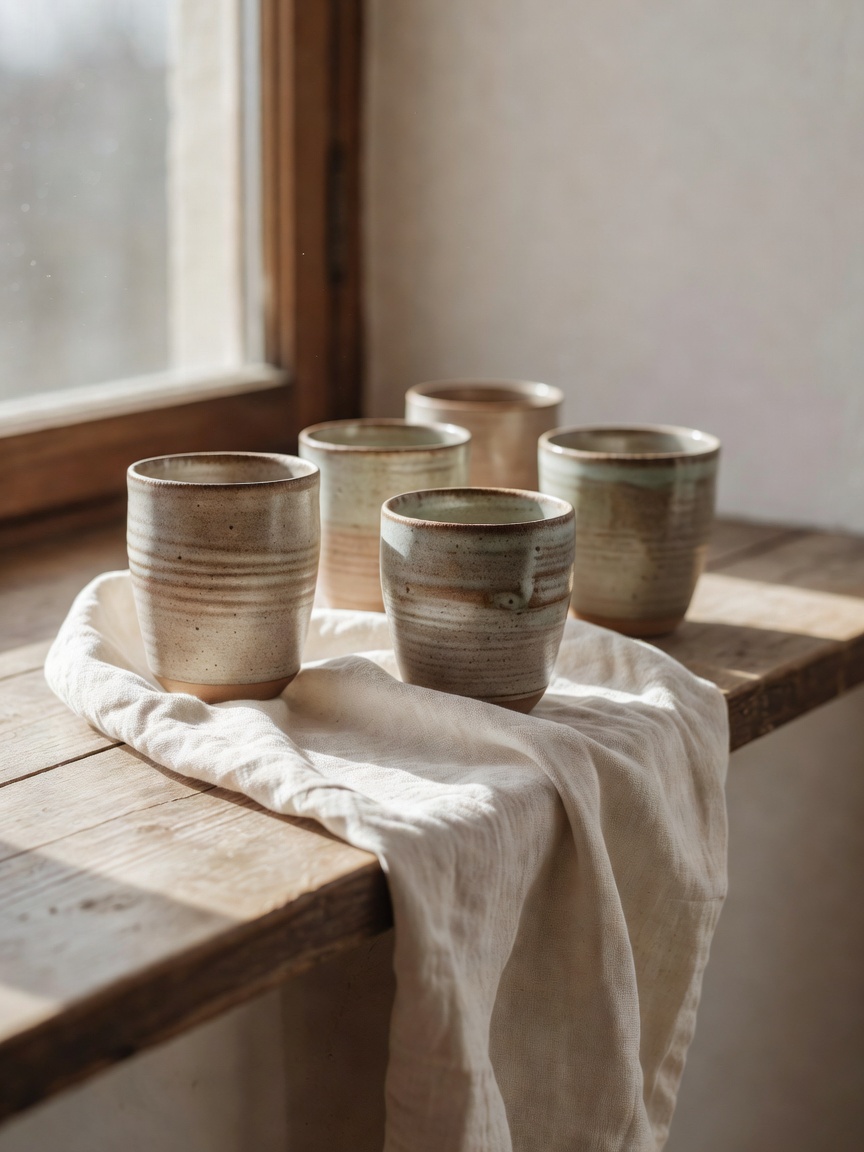
Before style, there's light. Three kinds do most of the work in everyday photography. Side window light falls across a table or face from one direction, giving shape and soft shadow — the backbone of the still-life trend. Open shade, the area just outside direct sun, gives even, flattering light for portraits. Low sun, in the hour after sunrise and before sunset, stretches shadows and warms everything it touches.
Harsh midday light isn't forbidden; it's simply a different tool. Strong, graphic shadows suit geometric street scenes and bold colour, which is why many contemporary photographers deliberately shoot at noon.
Sit in one room for ten minutes at three different times of day. Where does the light land? Which surface glows first?
Choose a backdrop with good light, then let people walk into it. Cartier-Bresson often did exactly this. Stay put for fifteen minutes and you'll see patterns repeat.
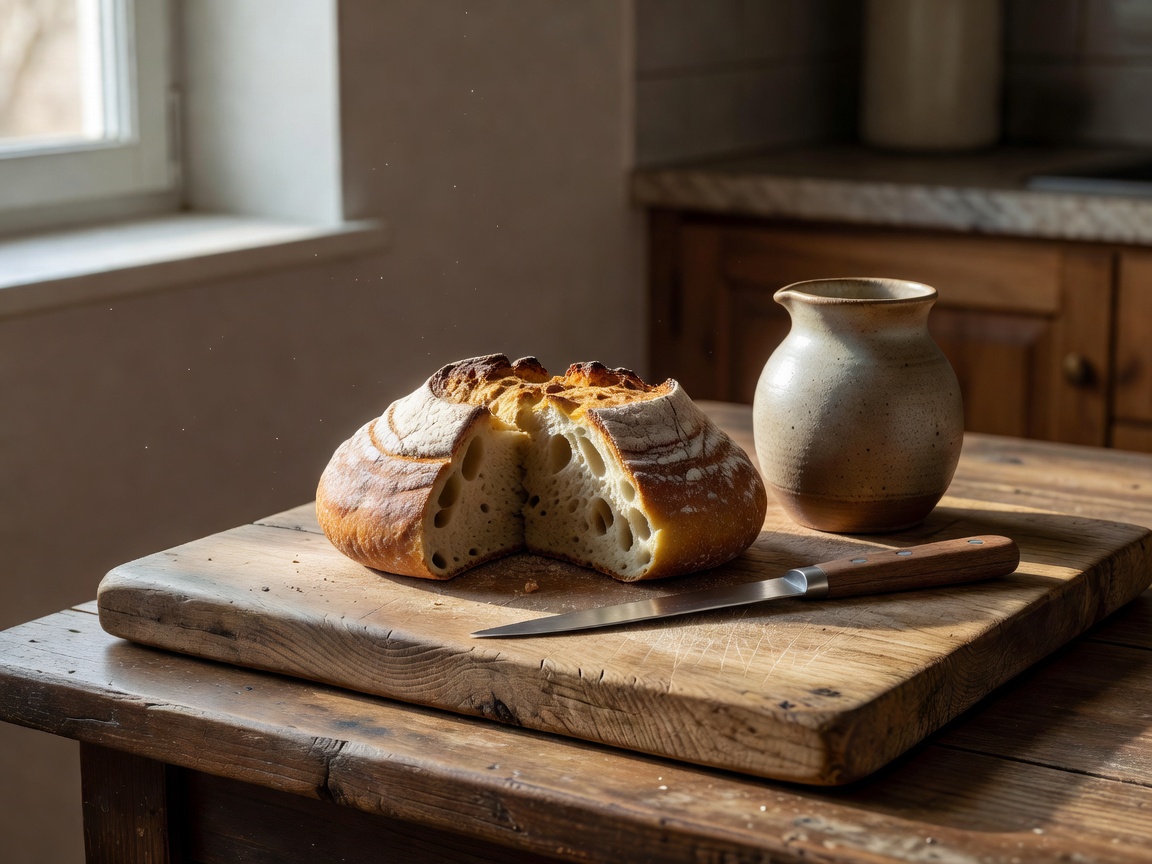
Three items, one surface, one window. Move each object a few centimetres at a time and photograph every change. The arrangement teaches you composition.
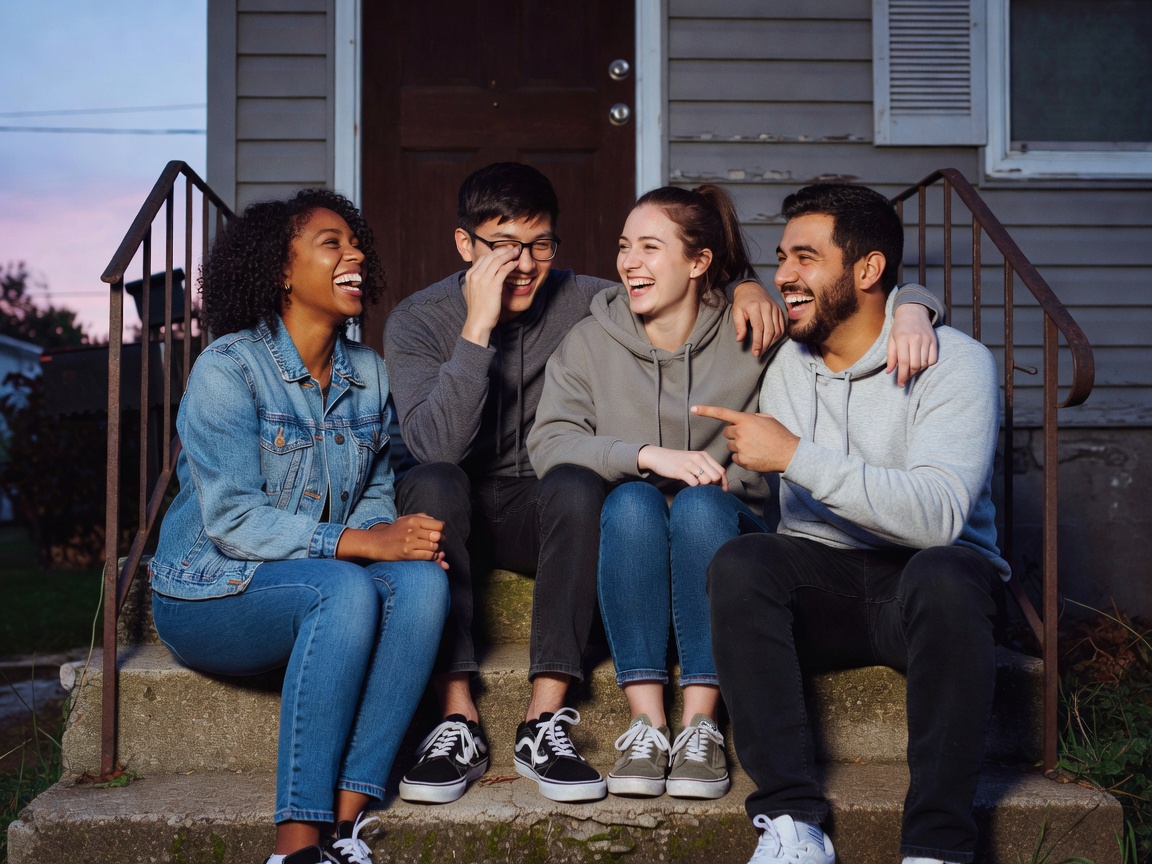
The party-snapshot look of the 1990s is back. Use your phone flash at dusk, when ambient light is low but still visible in the sky behind your subject.
Choose one place you pass every day: a bus stop, a corner shop, the view from your kitchen. Photograph it once a day for seven days, at a different hour each time. Don't edit until the week is over.
When you lay the seven frames side by side, you'll start to see what interests you — maybe reflections, maybe people, maybe a particular colour of evening. That interest is your style forming, quietly, without anyone's preset. Pick your favourite and make one gentle edit: warmth, contrast or crop. Stop there.
Print your best frame at postcard size and keep it on the fridge for a week. If you still like it on day seven, it's a keeper.
If you want to go further, our street culture fieldnotes suggest mural walks that pair well with this exercise, and our zine guide shows how to turn seven photos into a small printed booklet.
About cookies We use necessary cookies to run the site and, with your consent, optional ones to measure visits. You can change this at any time. Cookie policy